Pillow covers are essential textile components that protect pillow interiors from wear, stains, and allergens while contributing to overall sleep quality. Understanding fabric types, weave, and closure mechanisms helps clarify suitability for different environments, including bedrooms with varying humidity and dust exposure. The category emphasizes materials that balance softness with durability for long-term use.
Common pillow cover fabrics include cotton, a breathable option that promotes airflow, and blends that enhance wrinkle resistance and longevity. Some covers feature tightly woven microfibers to reduce feather leakage and extend pillow life. Consider thread count, weave tightness, and finish treatments when evaluating comfort, breathability, and cleaning convenience.
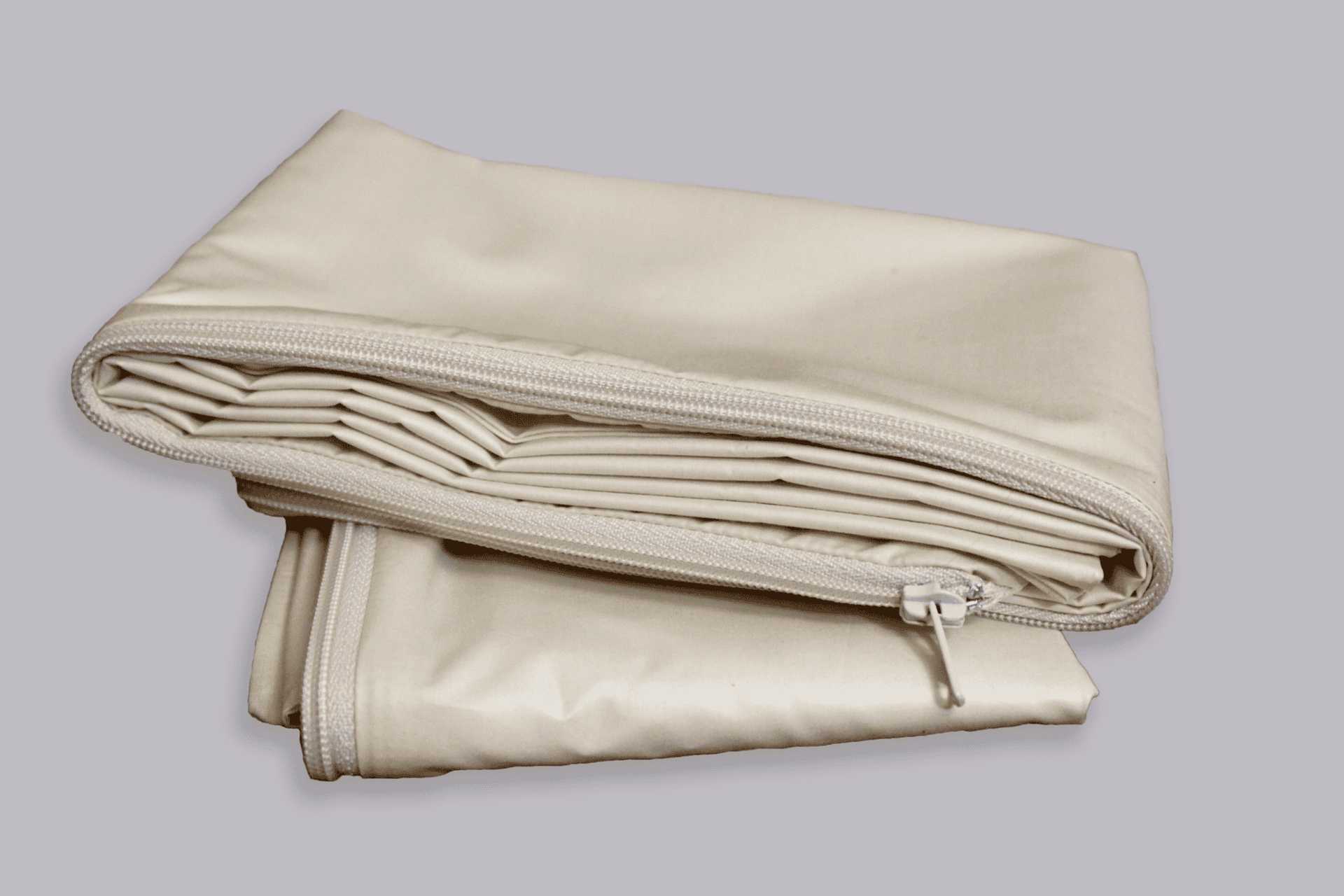
Important features to note are moisture management, hypoallergenic properties, and barrier protection. Protective pillow covers, for example, can shield against spills, perspiration, and dust mites, supporting hygiene and skin health. Zippered closures or envelope designs influence ease of use while maintaining secure containment of pillow contents.
Functionally, pillow covers support hygiene routines and decorative consistency across bedding ensembles. They can enhance allergy management by limiting particulate intrusion and ease maintenance through machine washable options. When selecting a cover, assess compatibility with pillow sizes, fill types such as memory foam or down alternatives, and care requirements to preserve performance.
In the broader bedding context, pillow covers intersect with topics like organic mattresses, latex materials, and crib bedding. They contribute to overall sleep environment quality by shaping comfort, protection, and longevity of pillows while aligning with broader wellness considerations within bedding, including organic and sustainable options for a healthier nightly routine.
 Bedding