Exploring Organic Mattress Protections: Materials, Benefits, and Care
A practical guide to organic mattress protectors and pads, focusing on materials, durability, and hygiene. Learn how organic options from trusted brands compare in breathability, moisture protection, and care requirements without commercial bias.
In a world where sleep is the new luxury, the bedroom has become a sanctuary of clean lines, pristine fabrics, and thoughtfully engineered textiles. The subject of our focus tonight is the quiet hero of the bed: the organic mattress protector. Far more than a simple barrier, an organic protector is a careful balance of breathability, moisture control, and long-term durability. It is a statement about health, sustainability, and a respect for the environment that cradles us as we drift into dreams.
This piece journeys through what makes a mattress protector organic, the materials most commonly used by reputable brands, and practical guidance on care and maintenance. It is designed for readers who seek informed, non-commercial guidance—an editorial exploration of how these protective layers perform in real life, from everyday spills to allergen management.
What does “organic” mean in a mattress protector?
Organic, in textiles, generally implies that the materials are produced without synthetic pesticides, fertilizers, or genetically modified organisms, and that the manufacturing processes adhere to recognized organic standards. When applied to mattress protectors and pads, organic often signals that the primary fabrics, fillings, and coatings are certified to meet environmental and safety benchmarks. The allure is not only about chemical-free materials but also about the integrity of the supply chain, fair-trade practices, and the avoidance of flame retardants or harsh chemical treatments commonly seen in conventional bedding products.
For sleep enthusiasts, organic protection translates into fabrics that are softer on the skin, more breathable, and better suited to sensitive sleepers. It is a promise that the barrier remains effective without compromising comfort, even after multiple machine washes. Brands such as Naturepedic and Sleep and Beyond have risen to prominence in this space by foregrounding organic cotton, natural fibers, and dye-free or low-dye processes in their protective layers.
Key materials in organic mattress protectors
Organic mattress protectors come to life through a careful blend of fabrics and membranes that balance protection with breathability. The most prominent materials include:
- Organic cotton jersey with a waterproof membrane: A soft, breathable knit base paired with a thin, non-toxic waterproof layer. The jersey surface feels gentle against the skin, while the membrane blocks liquid intrusion. DrySleep and similar technologies are frequently cited as breathable, moisture-blocking solutions that maintain a comfortable sleeping climate.
- GOTS-certified organic cotton with a polyurethane (or TPU) membrane: A classic combination that emphasizes purity of materials and a robust moisture barrier. The protective layer is typically laminated between layers of organic cotton jersey to preserve stretch and soundlessness under sheets.
- Organic wool fillings: Natural wool acts as a moisture-regulating, breathable filling that can contribute to temperature balance. It brings hypoallergenic properties and sustainability appeal, though formulations vary by brand in terms of washability and care requirements.
- Organic cotton with cotton or wool blends: Some protectors layer two organic cotton fabrics with a breathable, non-toxic barrier between to achieve a quiet, durable product that remains comfortable across seasons.
- Silk, bamboo, or other natural fibers (in select products): While less common, certain protectors experiment with natural fibers to enhance softness or airflow, while maintaining organic certification and safety standards.
Each material choice carries trade-offs. A pure cotton protector offers a traditional feel and excellent breathability but may require more diligent care to prevent shrinkage. A padded or quilted protector with a membrane can deliver superior liquids defense, yet some sleepers note a slight sensory difference under the sheet. The best choice depends on your priorities: allergen barriers, temperature regulation, ease of care, and the sustainability values you hold dear.
Breathability, moisture control, and allergen barriers
Breathability is essential for comfortable sleep. Organic protectors built on breathable bases—especially organic cotton jersey—allow air to move between the mattress and the sheet, helping to prevent heat buildup and clamminess. When a moisture barrier is introduced, it should be thin and well-sealed to avoid crinkling sounds or a stifling sensation. The goal is a protector that keeps liquids at bay while still letting water vapor pass through, maintaining a dry and comfortable night’s rest.
Allergen management is another pillar of organic protection. Dust mites, pet dander, and other particulates can be irregular visitors to the sleeping space. Some protectors claim to shield against dust mites through tightly woven fabrics and fine microns in the barrier. When evaluating options, look for certifications that speak to the barrier’s effectiveness and ensure that the materials have undergone relevant safety testing without resorting to harmful flame retardants or heavy chemical treatments.
Care and longevity: washing, shrinking, and maintenance
Care guidelines are not just about cleanliness; they influence the protector’s lifespan and effectiveness. Organic textiles, while naturally robust, can shrink slightly after initial wash cycles. Many brands advise pre-washing to account for shrinkage before first use and to follow cold or warm water cycles with gentle detergents. It is typically recommended to avoid bleach and fabric softeners, which can degrade fibers and reduce the performance of the waterproof barrier.
Drying tends to be a delicate moment for organic protectors. Line drying is frequently suggested to preserve the integrity of membranes and natural fibers, while many protectors allow machine drying on a low-to-medium heat setting. If you live in a climate that makes line drying impractical, choose products with machine-washable fabric that retains shape and barrier strength after repeated cycles. Following the manufacturer’s care instructions precisely helps sustain both comfort and protection over time.
Brand perspectives: Naturepedic, Sleep and Beyond, and friends of organic sleep
In the realm of organic protection, reputable brands often foreground the same core values: organic materials, transparent certification, and an emphasis on a clean, chemical-free sleep environment. Naturepedic is frequently cited for its GOTS-certified organic cotton products and waterproof yet quiet designs. Sleep and Beyond highlights a blend of organic cotton with eco-conscious membranes, packaging that respects the planet, and furniture-grade durability. The emphasis across these brands is not merely on the barrier itself but on the entire ecosystem of materials, from the cotton’s origin to the ease of care after countless nights of use.
For readers who prize editorial integrity over sales pitches, this is a reminder to look beyond marketing language and seek documentation: certifications, product sheets, and independent reviews that attest to long-term performance and genuine organic credentials. A protector should improve the sleeping experience without introducing new concerns about off-gassing, odors, or synthetic additives.
A practical guide: choosing your organic mattress protector
When selecting an organic protector, consider the following framework, designed to help you make a mindful, informed choice without bias toward a single brand:
- Certification and sourcing: Look for GOTS (Global Organic Textile Standard), OEKO-TEX, and other credible certifications that verify organic content and safety. Confirm the origin of the materials and the fairness of the supply chain where possible.
- Barrier performance: Assess the level of waterproof protection you need (liquids, spills, pet-related accidents) and whether the barrier is quiet and unobtrusive under a fitted sheet.
- Breathability and comfort: Prioritize protectors that maintain airflow to prevent heat buildup, especially for hot sleepers or warmer climates.
- Care requirements: Ensure you can clean the protector in a way that preserves its integrity. Pre-washing, avoiding harsh detergents, and recommended drying methods matter for longevity.
- Fit and size: Check pocket depths, elastic edges, and the overall fit on your mattress profile. A well-fitted protector stays in place and does not shift during the night.
In practical terms, a good organic protector is the one that aligns with your daily rituals: how you wash, air-dry, and maintain bedding, and how well it integrates with your existing sleep setup. The aim is to create a hygienic, comfortable bed that respects both your health and the environment.
A note on related products and shopping context
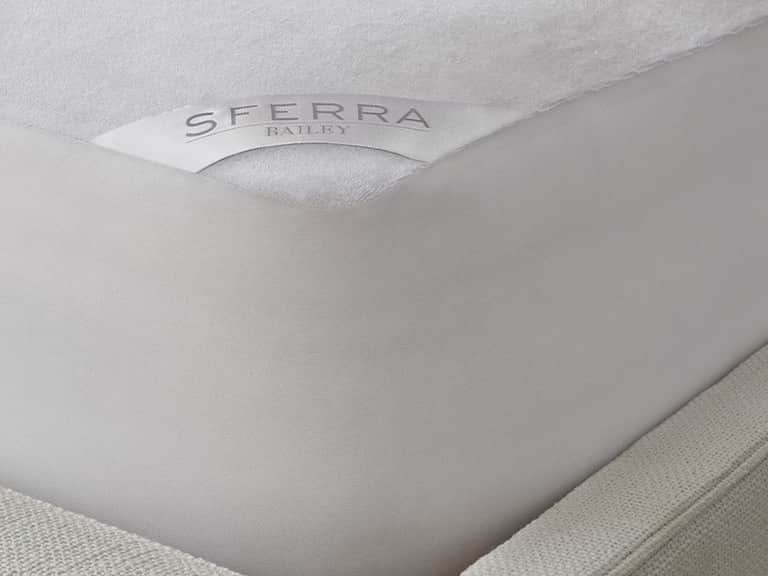
Within this editorial space, we emphasize information-first content. If a product is mentioned, it should genuinely fit the topic and its link should reflect a relevant destination. For example, Bailey Mattress Protector from a well-established collection demonstrates cotton terry with a waterproof finish and elasticized edges, embodying the practical, everyday protection narrative without slipping into overt promotion. When discussing specific items, we reference their functional details and care guidance rather than marketing claims, maintaining editorial integrity.
In this spirit, if you encounter product references in your browsing or shopping journey, use them as concrete illustrations of the spectrum of organic options—from simple, breathable cotton protectors to more substantial encasements or quilted pads—while keeping sight of the core criteria outlined above: organic certification, barrier performance, breathability, and care requirements.
Closing reflections: the elegance of healthy sleep environments
The quest for an upgraded sleep environment is as much about ritual as it is about materials. An organic mattress protector is a small but meaningful piece of a larger picture—an invitation to treat sleep as a sanctuary where cleanliness and comfort coexist. By choosing responsibly sourced fabrics, we honor the people who grow and weave the fibers, we honor the ecosystems that sustain our planet, and we honor the quiet luxury of knowing our beds are protected without compromise.
In Vogue terms, think of the organic protector as a chic, understated accessory: a functional staple that elevates the everyday without shouting for attention. It is the difference between a mattress kept pristine by thoughtful care and one that bears the marks of wear and allergens. And in the realm of restorative sleep, that distinction is worth celebrating with every sunrise.
Product spotlight (select)
Notes: This site features products tied to the topic only if they genuinely fit editorial purposes. The Bailey Mattress Protector is presented here as a practical example of a cotton terry protector with a waterproof finish and elasticized edges. Details reflect typical product descriptions to aid understanding of material and care, not commercial endorsement.
Bailey Mattress Protector — Cotton terry with waterproof finish
A practical example of an organic-friendly approach to protection that pairs softness with barrier performance. Care: Machine wash cold; do not bleach; do not use fabric softener; tumble dry low.
Note: Product listings are provided for context and are not affiliate-forward in this editorial. For actual shopping, consult brand certifications and care guides directly.