Mattress toppers serve as an intermediary layer between the sleeper and the mattress, enhancing comfort, support, and temperature regulation. They adapt to varying sleep styles by distributing weight more evenly, reducing pressure points on hips, shoulders, and lower back. In organic and natural bedding contexts, toppers often emphasize breathable materials and chemical-free construction for healthier sleep environments.
Common materials for mattress toppers include latex, memory foam, and natural fibers such as cotton or wool. Latex toppers offer resilient support and quick recovery, while organic fibers help with moisture wicking and airflow. Understanding thickness, density, and firmness helps match toppers to individual needs, whether seeking gentle contouring or firmer support for spinal alignment.
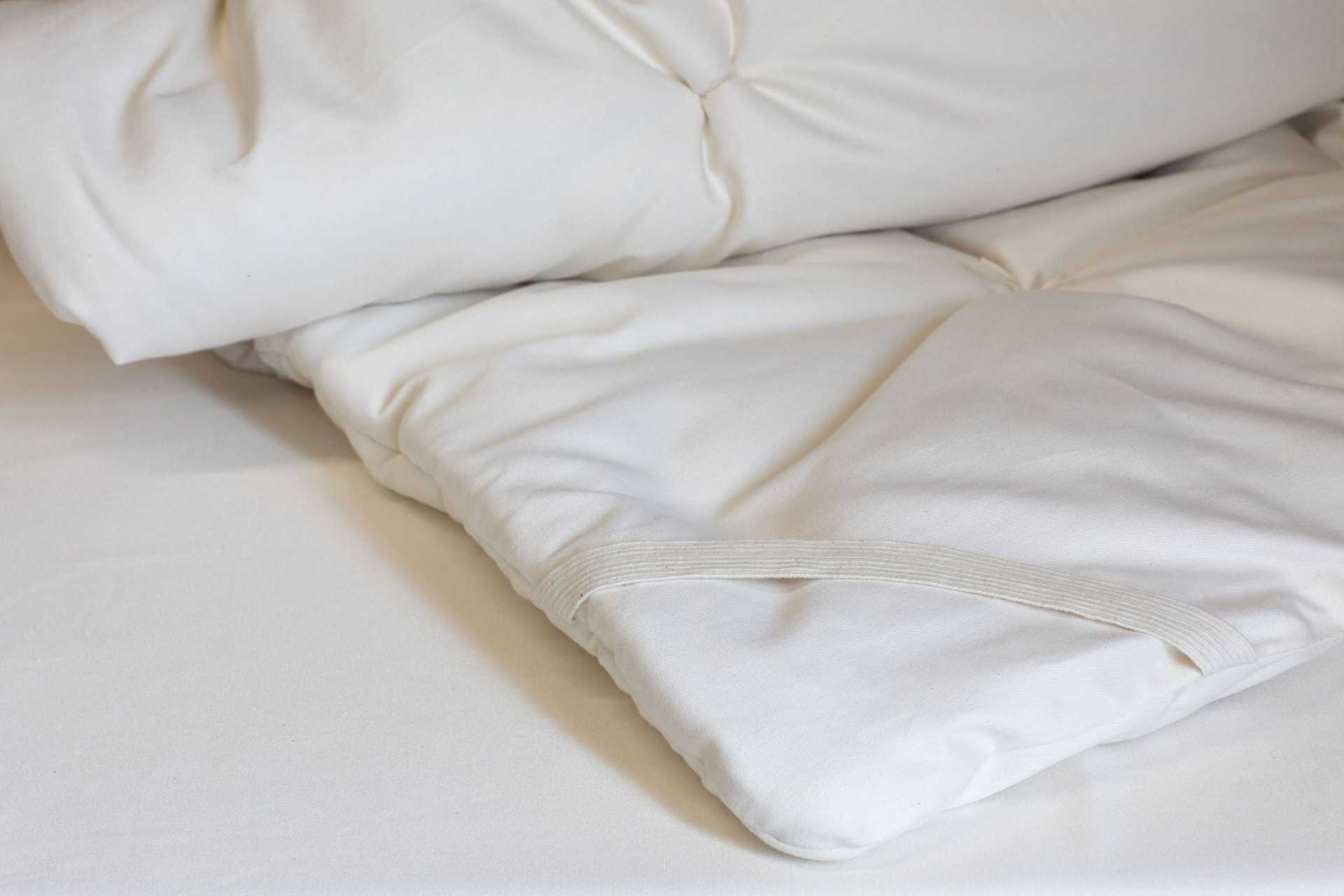
For families seeking safe sleep options, the Natural Child's Crib Mattress Topper demonstrates how toppers can improve crib comfort without compromising safety. Key features may include non-toxic certifications, hypoallergenic materials, and breathable covers that ease heat buildup. Such toppers support restful naps and long overnight sleep cycles for infants and toddlers alike.
In the context of bedding and pillows ecosystems, a well-chosen mattress topper complements organic mattresses and other sleep accessories. When considering latex or organic-filled toppers, look for durability, washability, and reversible designs that accommodate changing preferences or seasonal temperature shifts, contributing to a healthier sleep surface over time.
Overall, mattress toppers function as a versatile component in bedding systems, enabling personalized comfort, improved support, and enhanced hygiene. By prioritizing materials like organic latex and breathable fabrics, sleepers can achieve more consistent sleep quality while maintaining compatibility with natural crib and adult mattresses for extended usability.
 Bedding